Comprehensive Guide to Boiler Water Treatment Chemicals
Discover insights on water treatment solutions and technologies.
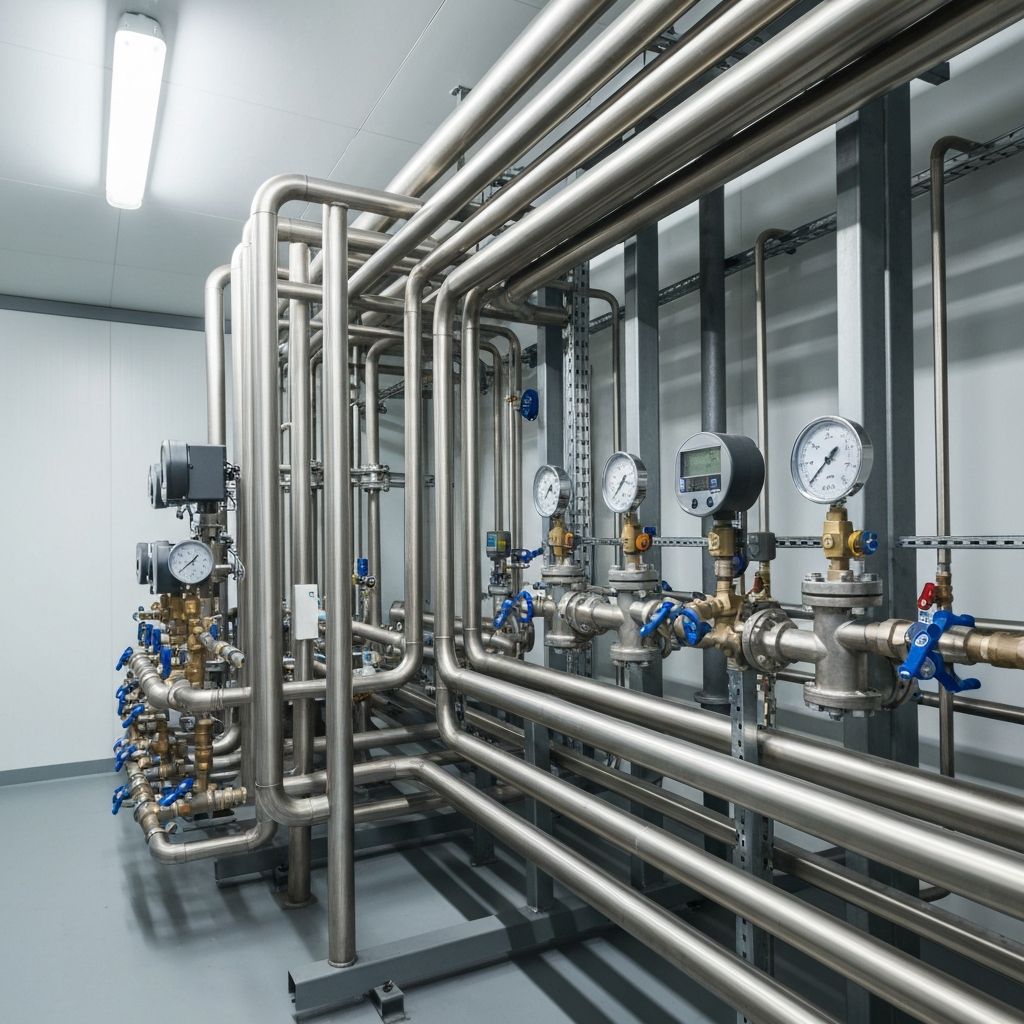
Effective boiler water treatment is essential for protecting critical infrastructure, ensuring operational efficiency, and maintaining safety in industrial steam systems. This comprehensive guide covers the chemical treatment programs necessary to prevent scale, corrosion, and carryover in boiler systems.
The Importance of Boiler Water Treatment
Untreated or improperly treated boiler water can lead to catastrophic failures, reduced efficiency, and increased operational costs. Proper chemical treatment:
- Prevents scale formation on heat transfer surfaces
- Controls corrosion throughout the steam system
- Minimizes boiler carryover and deposition
- Extends equipment life and reliability
- Reduces energy consumption and operating costs
Understanding Water Impurities
Dissolved Solids
Minerals and salts that remain dissolved in water:
- Hardness (Calcium & Magnesium): Primary scaling agents
- Alkalinity: Contributes to caustic corrosion
- Silica: Forms hard, insulating scale
- Chlorides & Sulfates: Promote corrosion
Suspended Solids
Insoluble particles that can cause deposition:
- Iron oxides from corrosion
- Copper compounds from system components
- Sediment and organic matter
- Treatment chemical precipitates
Dissolved Gases
Gases that cause corrosion and operational issues:
- Oxygen: Primary cause of pitting corrosion
- Carbon Dioxide: Forms carbonic acid in condensate
- Ammonia: Can cause stress corrosion cracking
Essential Treatment Chemicals
Oxygen Scavengers
Critical for removing dissolved oxygen:
Sodium Sulfite
- Most common oxygen scavenger
- Fast reaction at operating temperatures
- Dosage: 8-10 ppm per ppm of oxygen
- Maintain 20-40 ppm residual in boiler
Hydrazine Substitutes
- DEHA (Diethylhydroxylamine)
- Carbohydrazide
- Hydroquinone
- Safer alternatives to traditional hydrazine
Alkalinity Builders
Control pH and prevent acidic corrosion:
Sodium Hydroxide
- Strong alkalinity builder
- Target pH: 10.5-11.5 in boiler water
- Promotes protective magnetite layer
- Requires careful control to prevent caustic gouging
Morpholine
- Volatile alkalinity builder
- Protects condensate return lines
- Neutralizes carbonic acid
- Distribution ratio favors steam phase
Internal Treatment Chemicals
Phosphates
- Sodium phosphate (monobasic, dibasic, tribasic)
- Precipitates hardness as soft sludge
- Forms protective layer on metal surfaces
- Dosage based on feed water hardness
Polymers
- Polyacrylates and polymethacrylates
- Disperse suspended particles
- Prevent scale deposition
- Enhance sludge removal
Chelating Agents
- EDTA, NTA, and DTPA
- Bind dissolved metals in solution
- Used in high-pressure boiler systems
Antifoams
Control foam formation and carryover:
- Silicone-based antifoams
- Polyglycol-based antifoams
- Prevent boiler carryover
- Protect turbine blades
Treatment Program Design
Low-Pressure Boilers (<300 psi)
- Softening pretreatment
- Sodium sulfite oxygen scavenging
- Phosphate internal treatment
- pH control with sodium hydroxide
- Cycles: 10-20
Medium-Pressure Boilers (300-900 psi)
- Deaeration plus chemical scavenging
- Coordinated phosphate-pH program
- Polymer dispersants
- Volatile amines for condensate protection
- Cycles: 20-50
High-Pressure Boilers (>900 psi)
- Polished water makeup (DI or RO)
- All-volatile treatment (AVT) programs
- Oxygen control with mechanical deaeration
- Chelant or coordinated phosphate programs
- Cycles: 50-100+
Monitoring and Control
Daily Testing Requirements
- pH: Boiler water and condensate
- Conductivity: Measure dissolved solids
- Alkalinity: P and M alkalinity
- Hardness: Feed and boiler water
- Phosphate: Internal treatment level
- Sulfite: Oxygen scavenger residual
Control Limits
Boiler Water
- pH: 10.5-11.5
- Conductivity: <3,000 μS/cm (varies by pressure)
- Hardness: <1 ppm as CaCO₃
- Iron: <0.1 ppm
- Copper: <0.05 ppm
Condensate
- pH: 8.8-9.2 with amines
- Conductivity: <10 μS/cm
- Iron: <0.05 ppm
- Copper: <0.02 ppm
Blowdown Control
Continuous Blowdown
- Automatic control based on conductivity
- Maintains optimal cycles of concentration
- Minimizes heat loss
- Steady-state operation
Intermittent Blowdown
- Manual or automatic valve control
- Removes sludge from mud drum
- Periodic operation (daily/weekly)
- Bottom blowdown for sludge removal
Common Problems and Solutions
Scale Formation
Prevention and treatment:
- Adequate softening pretreatment
- Proper antiscalant dosing
- Optimal blowdown control
- Regular chemical cleaning
Corrosion Issues
Control strategies:
- Maintain proper pH levels
- Effective oxygen removal
- Condensate system protection
- Corrosion inhibitor programs
Carryover Problems
Mitigation approaches:
- Proper antifoam dosing
- Control of boiler water chemistry
- Steam separator maintenance
- Load management procedures
Safety Considerations
- Proper PPE for chemical handling
- Chemical storage and segregation
- Spill response procedures
- Material Safety Data Sheet (MSDS) availability
- Personnel training and certification
Environmental Compliance
- Blowdown discharge permits
- Effluent limitations for chemicals
- Stormwater management
- Hazardous waste disposal regulations
- Record keeping and reporting
Emerging Technologies
Innovations in boiler water treatment:
- Real-time monitoring with IoT sensors
- AI-powered chemical dosing optimization
- Green chemistry alternatives
- Non-chemical treatment technologies
Conclusion
Effective boiler water treatment is essential for safe, efficient, and reliable steam system operation. A comprehensive chemical treatment program, combined with proper monitoring and control, protects your investment and ensures optimal performance.
ChemParks offers complete boiler water treatment solutions customized to your specific system requirements. Contact us for a comprehensive system evaluation and treatment program design.