Essential Cooling Water Treatment Chemicals and Programs
Discover insights on water treatment solutions and technologies.
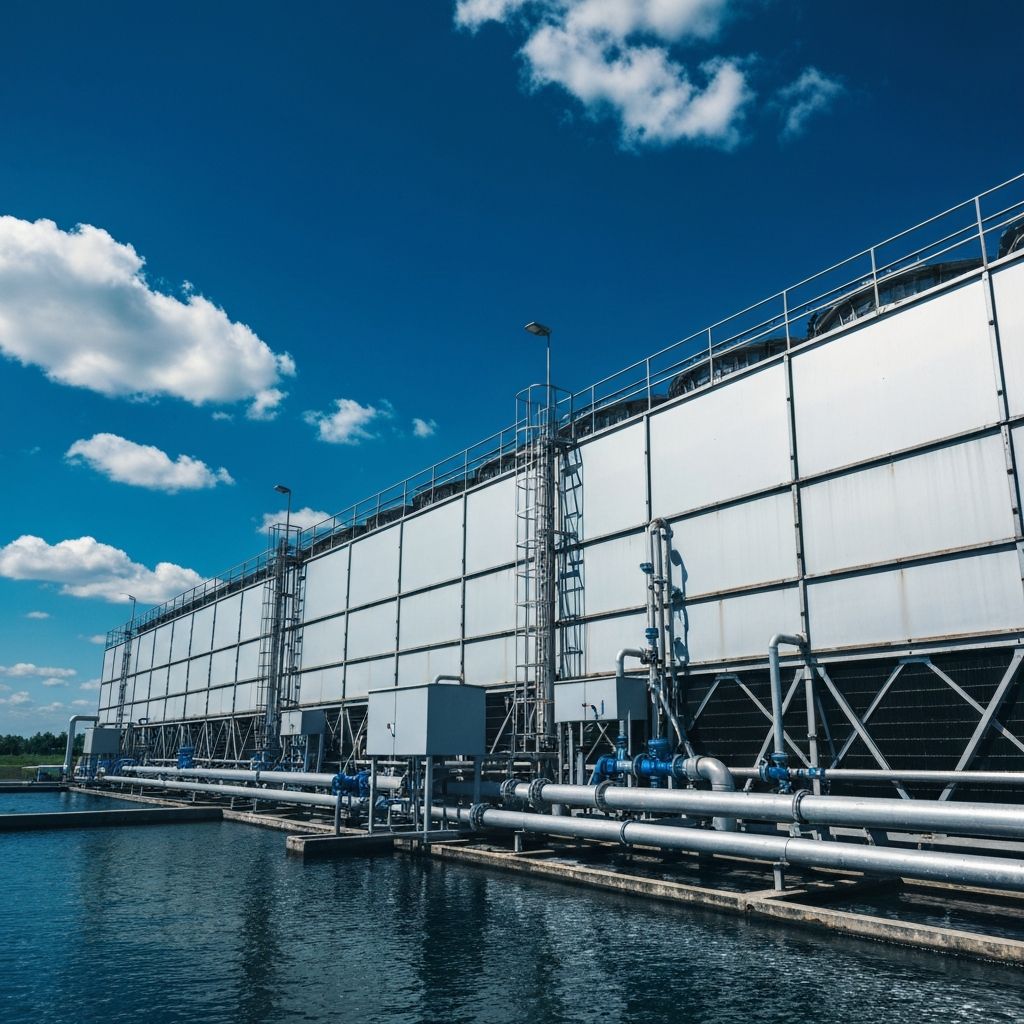
Cooling water systems are critical for industrial processes, but they require proper chemical treatment to prevent scale, corrosion, and biological growth. This guide covers the essential chemicals and treatment programs necessary for maintaining efficient and reliable cooling system operation.
Cooling System Challenges
Cooling water systems face three primary challenges that require chemical treatment:
Scale Formation
Mineral deposits that reduce heat transfer efficiency:
- Calcium carbonate scaling
- Silica scale formation
- Phosphate and sulfate deposits
- Reduced efficiency and increased energy costs
Corrosion
Metal deterioration leading to equipment failure:
- Oxygen-induced pitting
- Acidic corrosion from low pH
- Galvanic corrosion between dissimilar metals
- Under-deposit corrosion
Biological Growth
Microorganisms that cause system problems:
- Algae growth in sunlight-exposed areas
- Bacterial slime formation
- Fungi and mold proliferation
- Legionella bacteria health risks
Scale Inhibitors
Phosphonates
- ATMP (Aminotris(methylenephosphonic acid))
- HEDP (Hydroxyethylidene diphosphonic acid)
- PBTC (2-Phosphonobutane-1,2,4-tricarboxylic acid)
- Threshold inhibition at low concentrations
- Effective against calcium carbonate and sulfate scale
Polymers
- Polyacrylates
- Polymethacrylates
- Polyaspartates
- Crystal modification and dispersion
- Synergistic action with phosphonates
Specialty Scale Inhibitors
- Silica dispersants
- Iron control agents
- Phosphate precipitants
- Molybdate-based inhibitors
Corrosion Inhibitors
Anodic Inhibitors
- Chromates (historically, now restricted)
- Molybdates
- Orthophosphates
- Form protective oxide films on metal surfaces
Cathodic Inhibitors
- Zinc salts
- Polyphosphates
- Benzotriazoles (for copper alloys)
- Calcium carbonate precipitation
Mixed Inhibitors
- Silicates
- Azoles
- Organic filming inhibitors
- Multiple protection mechanisms
Biocides
Oxidizing Biocides
Chlorine and Bromine
- Broad-spectrum microbiological control
- Fast-acting and effective
- Requires careful pH control
- Can increase corrosion potential
Chlorine Dioxide
- Effective over wide pH range
- Less corrosive than chlorine
- Penetrates biofilms
- Generated on-site
Ozone
- Powerful oxidant
- No chemical residues
- Highly effective against Legionella
- High capital and operating costs
Non-Oxidizing Biocides
Isothiazolinones
- Broad-spectrum activity
- Effective at low concentrations
- Good biofilm penetration
- Alternate with oxidizing biocides
Quaternary Ammonium Compounds
- Surface-active properties
- Effective against algae and bacteria
- Foaming potential
- Used in combination programs
Glutaraldehyde
- Fast-acting biocide
- Effective against resistant organisms
- Temperature-activated
- Good for shock dosing
Bio-Dispersants
- Enzymatic cleaners
- Surfactant-based dispersants
- Break down biofilm matrix
- Enhance biocide effectiveness
pH Control Chemicals
Acids for pH Reduction
- Sulfuric acid
- Hydrochloric acid
- Citric acid (environmentally friendly)
- Corrosion inhibitor blends
Alkalis for pH Increase
- Sodium hydroxide
- Sodium carbonate
- Potassium hydroxide
Treatment Program Design
System Evaluation
- Water chemistry analysis
- Metallurgy assessment
- Operating conditions review
- Regulatory requirements
Program Selection
- Open recirculating systems
- Closed loop systems
- Once-through systems
- Hybrid systems
Chemical Selection Criteria
- Effectiveness and performance
- Environmental impact
- Safety considerations
- Cost-effectiveness
Monitoring and Control
Daily Testing
- pH measurement
- Conductivity/TDS
- Alkalinity
- Hardness
- Biocide residuals
Weekly Testing
- Corrosion rate monitoring
- Microbiological analysis
- Iron and copper levels
- Phosphate concentrations
Monthly Testing
- Legionella testing
- System cleanliness inspection
- Treatment effectiveness review
Control Parameters
Typical Control Limits
- pH: 7.0-9.5 (system dependent)
- Conductivity: 2,000-4,000 μS/cm
- Alkalinity: 100-500 ppm as CaCO₃
- Cycles of Concentration: 3-7
Legionella Control
- Regular biocide program
- System cleaning and disinfection
- Temperature control strategies
- Compliance with health regulations
Environmental Considerations
- Biodegradable treatment chemicals
- Non-toxic alternatives
- Blowdown discharge management
- Regulatory compliance
Safety and Handling
- Personal protective equipment
- Chemical storage requirements
- Spill response procedures
- Employee training programs
Conclusion
Proper cooling water treatment is essential for system reliability, efficiency, and safety. A comprehensive chemical treatment program, combined with regular monitoring and maintenance, protects your equipment and ensures optimal performance.
ChemParks provides customized cooling water treatment solutions designed for your specific system requirements. Contact us for a comprehensive system evaluation and treatment program development.