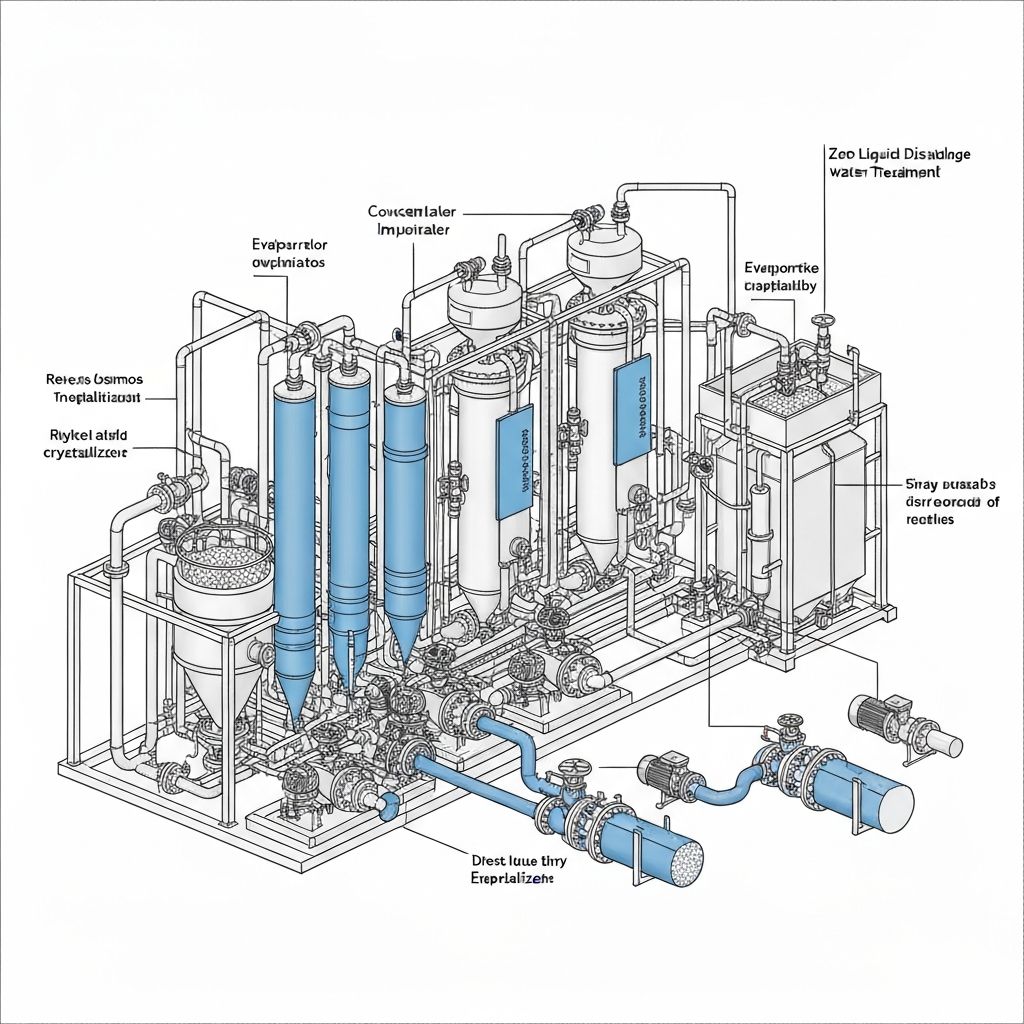
Optimizing Industrial RO Plants: A Comprehensive Maintenance Guide
Learn essential maintenance strategies to extend membrane life, reduce fouling, and optimize energy consumption in your industrial Reverse Osmosis plant.
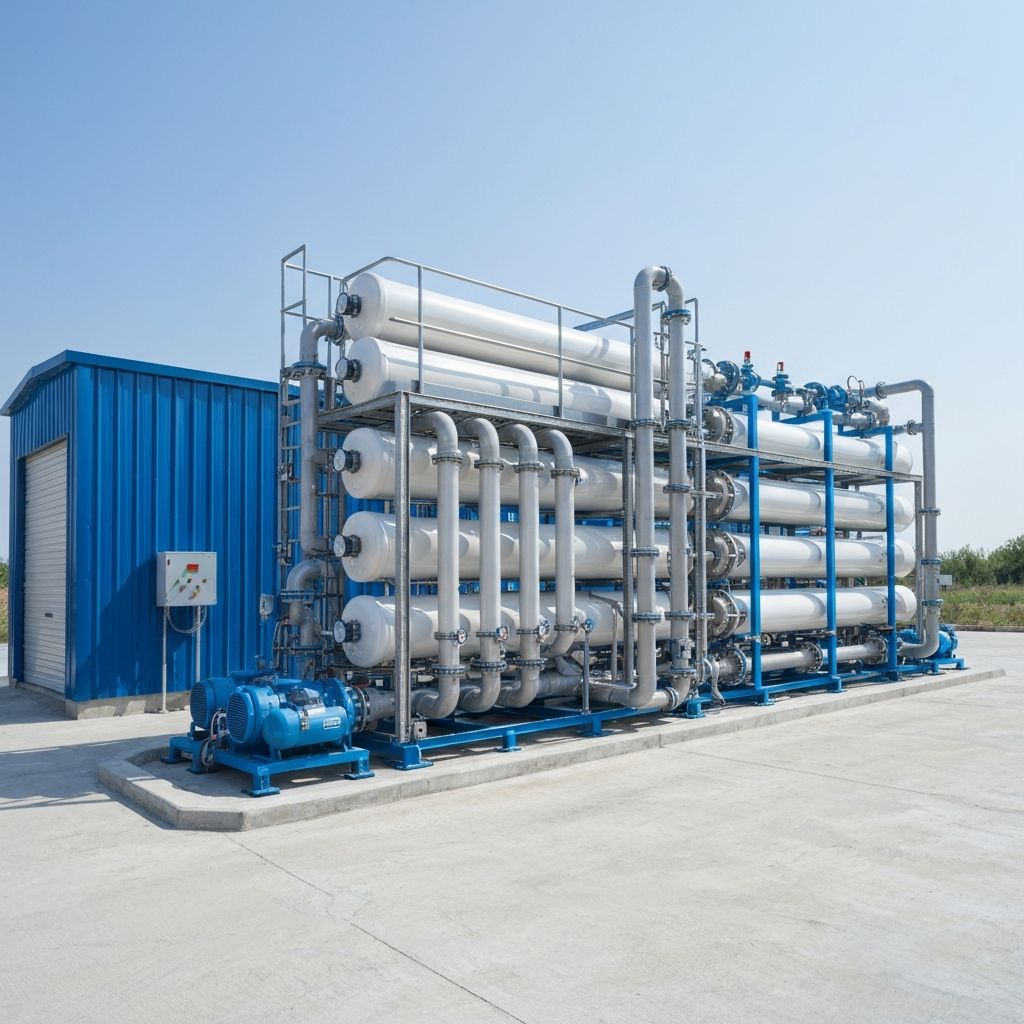
Maximizing Efficiency in Industrial RO Systems
Reverse Osmosis (RO) is a critical technology for industrial water treatment, but its efficiency depends heavily on proper maintenance. A well-maintained RO plant not only ensures high-quality water output but also significantly reduces operational costs and extends the lifespan of expensive membranes.
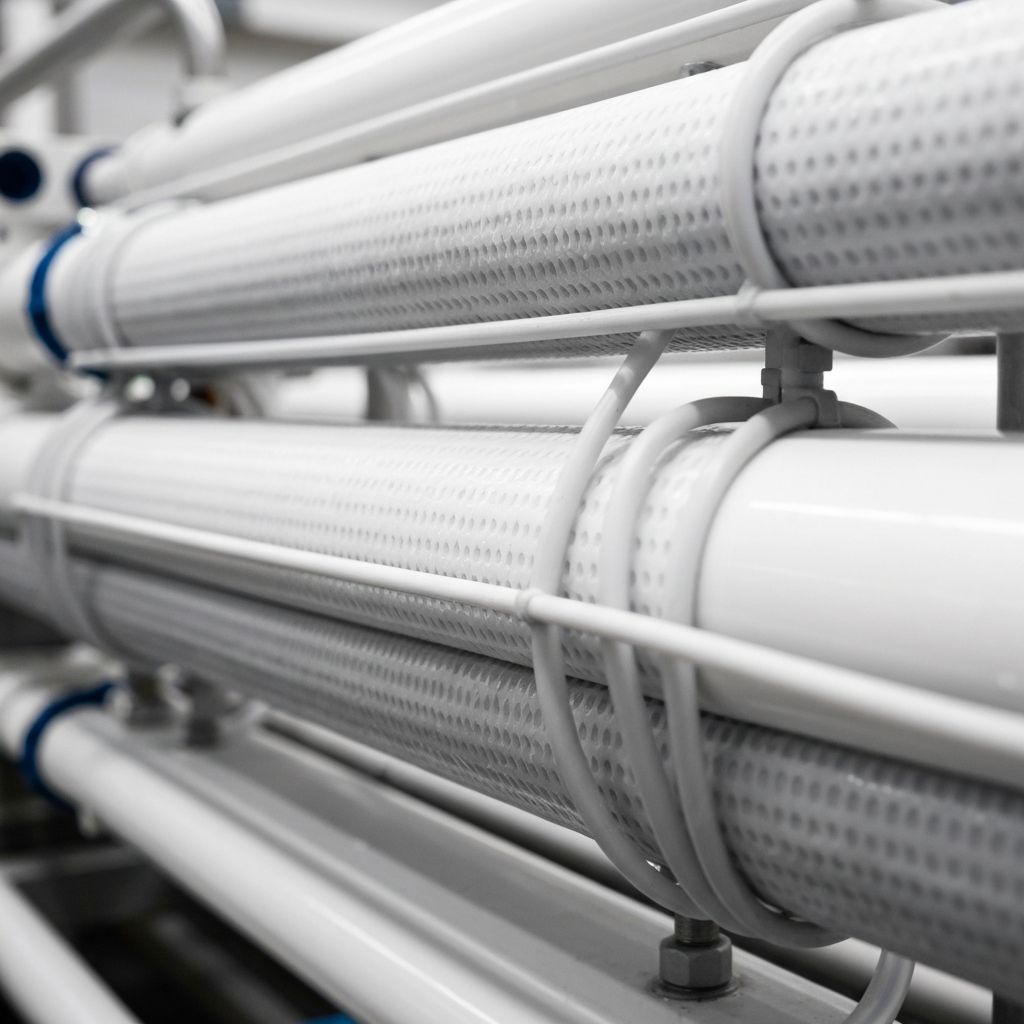
Key Maintenance Strategies
1. Effective Pre-treatment
The longevity of RO membranes is directly tied to the quality of feed water. Robust pre-treatment is non-negotiable:
- Multimedia Filtration: Ensure regular backwashing to remove suspended solids.
- Activated Carbon Filters: Monitor for chlorine breakthrough which can damage membranes.
- Cartridge Filters: Replace regularly to prevent particulate fouling.
2. Antiscalant Dosing Optimization
Scaling is a primary cause of membrane failure. Using the right antiscalant at the correct dosage is crucial:
- Conduct water analysis to identify potential scaling salts (calcium carbonate, silica, sulfates).
- Use simulation software to determine the optimal dosing rate.
- Regularly calibrate dosing pumps to ensure accuracy.
3. Cleaning-in-Place (CIP) Protocols
Don't wait for the system to fail. Implement a proactive CIP schedule:
- Trigger Points: Initiate cleaning when normalized permeate flow drops by 10-15% or pressure drop increases by 15%.
- Chemical Selection: Use high-pH cleaners for organic fouling and low-pH cleaners for inorganic scaling.
- Temperature Control: Ensure cleaning solution temperature is within membrane manufacturer specifications for maximum effectiveness.
Monitoring & Data Analysis
Data is your best tool for predictive maintenance. Track these parameters daily:
- Feed pressure, permeate pressure, and concentrate pressure.
- Permeate flow and concentrate flow.
- Conductivity/TDS of feed and permeate.
- Temperature.
Tip: Always normalize data to account for temperature and pressure variations to see the true condition of the membranes.
Conclusion
Optimizing an industrial RO plant requires a holistic approach combining rigorous monitoring, effective chemical treatment, and timely maintenance. By following these guidelines, facility managers can ensure reliable water production and minimize costly downtime.