Water Treatment Plant (WTP) Chemicals: Essential Guide
Discover insights on water treatment solutions and technologies.
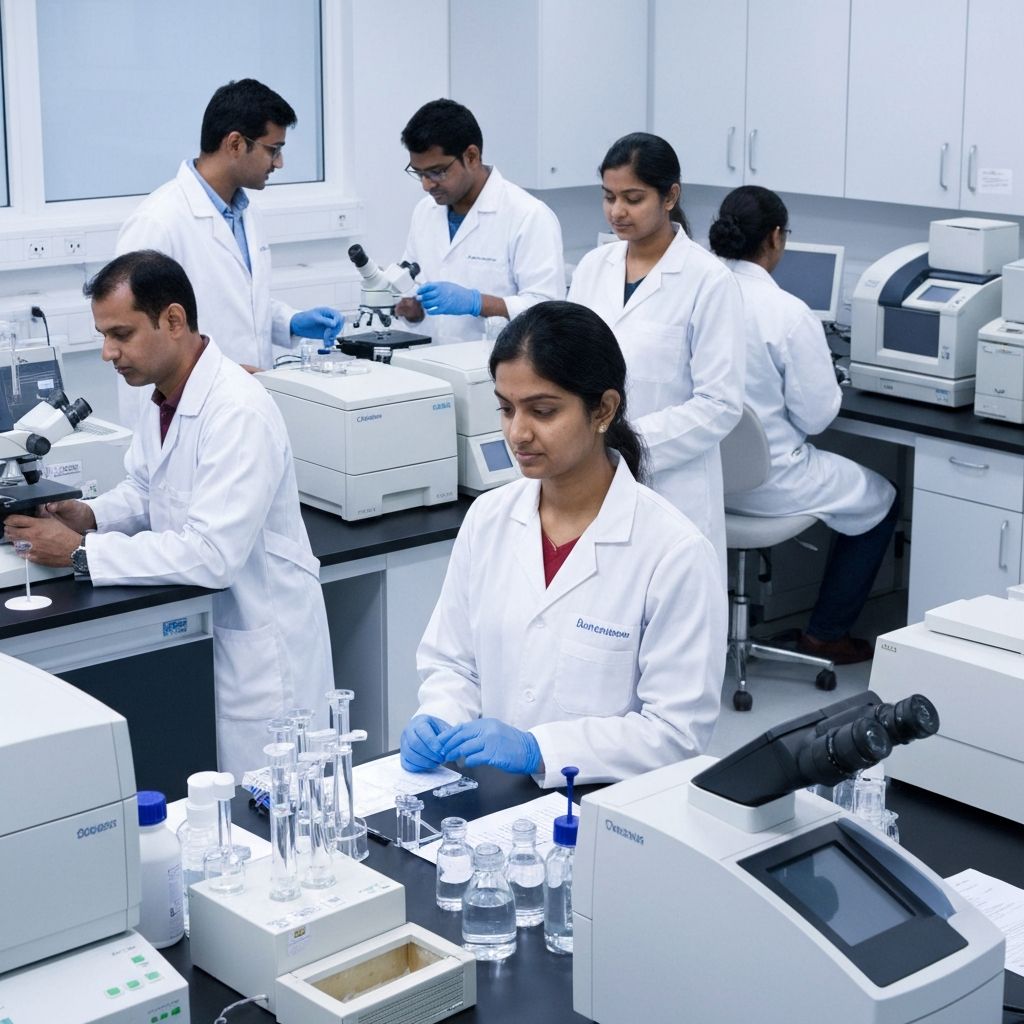
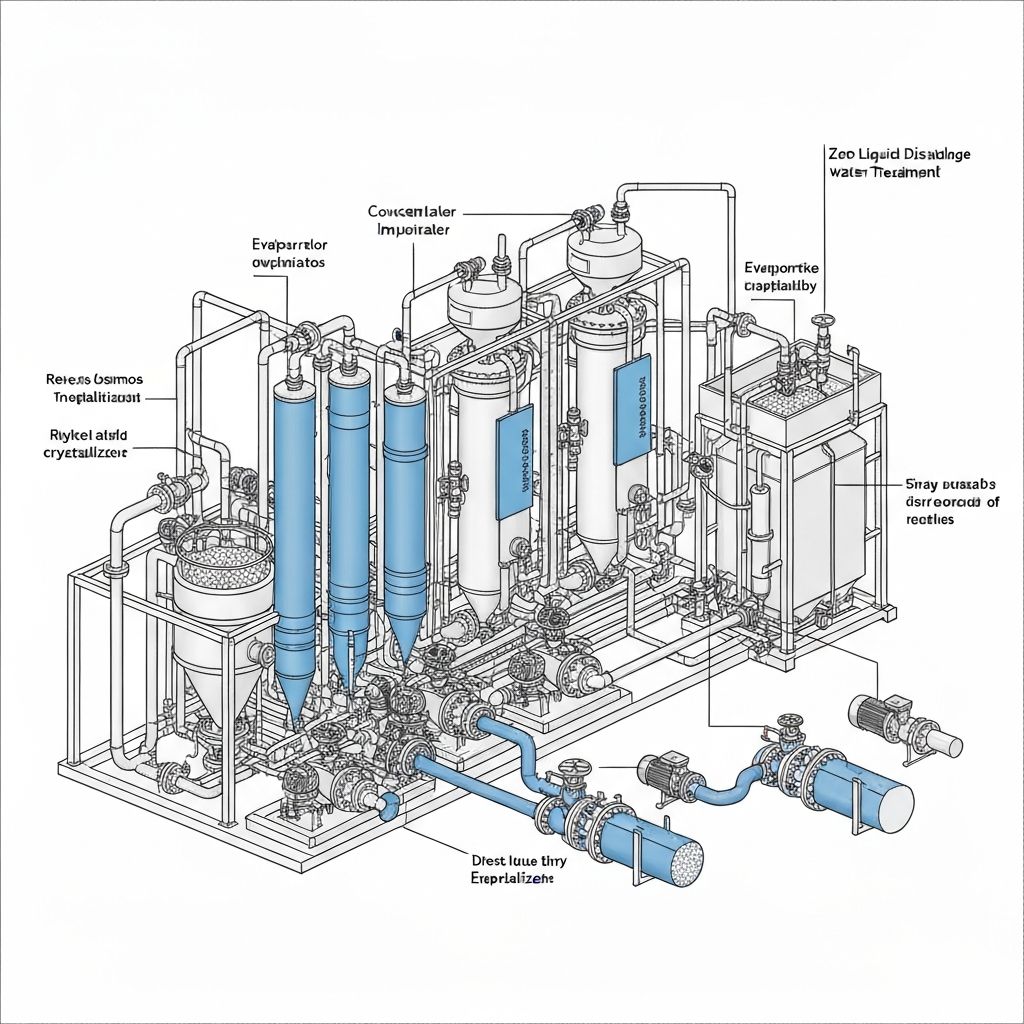
Water Treatment Plants (WTPs) play a crucial role in providing safe, clean drinking water to communities and industries. Chemical treatment is an integral part of the water purification process, helping to remove contaminants, disinfect water, and ensure compliance with drinking water standards.
Understanding Water Treatment Processes
Treatment Stages
Modern water treatment involves multiple stages:
- Coagulation/Flocculation: Chemical removal of suspended particles
- Sedimentation: Gravity settling of flocs
- Filtration: Physical removal of remaining particles
- Disinfection: Pathogen destruction
- pH Adjustment: Final pH correction
- Fluoridation: Dental health protection (optional)
Coagulation Chemicals
Primary Coagulants
Aluminum Sulfate (Alum)
- Most commonly used coagulant worldwide
- Chemical formula: Al₂(SO₄)₃·14H₂O
- Optimal pH range: 5.5-7.5
- Typical dosage: 5-50 mg/L
- Effective for turbidity and color removal
- Produces acidic conditions requiring correction
Ferric Chloride (FeCl₃)
- Effective over wider pH range (3.5-8.0)
- Excellent for color removal
- Forms dense, rapid-settling flocs
- Typical dosage: 2-30 mg/L
- Provides some disinfection action
- Corrosive to equipment
Ferric Sulfate (Fe₂(SO₄)₃)
- Similar to ferric chloride but less corrosive
- Effective in alkaline waters
- Dosage: 5-50 mg/L typical
- Good for taste and odor control
Polyaluminum Chloride (PAC)
- Pre-polymerized aluminum species
- Effective at lower doses than alum
- Wider effective pH range (5.0-9.0)
- Produces less sludge
- Better performance in cold water
- Higher cost but may be cost-effective overall
Flocculation Aids
Polyelectrolytes
Polyacrylamide Polymers
- High molecular weight synthetic polymers
- Types: Anionic, Cationic, Non-ionic
- Dosage: 0.01-1.0 mg/L typical
- Form larger, stronger flocs
- Improve settling and filtration
- Reduce required coagulant dose
Natural Flocculants
- Chitosan from crustacean shells
- Algal polysaccharides
- Starch derivatives
- Biodegradable and non-toxic
pH Adjustment Chemicals
Acids for pH Reduction
Sulfuric Acid
- Strong acid for pH control
- Requires careful handling
- Added after coagulation stage
Carbon Dioxide
- Mild acid for pH adjustment
- Forms carbonic acid in water
- Provides buffering capacity
- Used for final pH correction
Bases for pH Increase
Sodium Hydroxide (Caustic Soda)
- Strong base for pH increase
- Highly soluble and reactive
- Used for acidic water treatment
- Requires careful dosing control
Sodium Carbonate (Soda Ash)
- Mild base for pH adjustment
- Provides alkalinity buffering
- Less aggressive than caustic soda
- Also aids in hardness precipitation
Calcium Hydroxide (Hydrated Lime)
- Provides alkalinity and pH adjustment
- Precipitates calcium and magnesium
- Cost-effective for large applications
- Increases water hardness
Disinfection Chemicals
Chlorination
Chlorine Gas
- Most economical disinfection method
- 100% available chlorine
- Requires special handling equipment
- Provides residual protection
- Target residual: 0.2-0.5 mg/L
Sodium Hypochlorite
- Liquid bleach (10-15% available chlorine)
- Easier to handle than chlorine gas
- Degrades over time in storage
- Same disinfection effectiveness as chlorine
Calcium Hypochlorite
- Solid form (65-70% available chlorine)
- Good for remote locations
- Stable in storage
- Increases water hardness slightly
Alternative Disinfectants
Chloramine
- Formed by reacting chlorine with ammonia
- Longer-lasting residual than chlorine
- Less taste and odor problems
- Weaker disinfectant than chlorine
- Used in distribution systems
Ozone
- Powerful oxidant and disinfectant
- Generated on-site from oxygen
- No residual effect
- Effective against chlorine-resistant organisms
- High capital and operating costs
UV Radiation
- Physical disinfection method
- No chemical addition required
- Effective against bacteria and viruses
- No residual protection
- Requires clear water for effectiveness
Specialty Treatment Chemicals
Activated Carbon
- Removes organic compounds
- Improves taste and odor
- Reduces chlorine and chlorination byproducts
- Adsorbs pesticides and industrial chemicals
Potassium Permanganate
- Oxidizes iron and manganese
- Controls taste and odor
- Removes hydrogen sulfide
- Provides light pink color at effective doses
Fluoridation Chemicals
Fluoride Compounds
- Sodium Fluoride: Highly soluble, easy to dose
- Sodium Silicofluoride: Cost-effective, widely used
- Hydrofluorosilicic Acid: Most economical option
- Target Level: 0.7 mg/L (WHO recommendation)
Corrosion Inhibitors
Distribution System Protection
- Orthophosphates
- Polyphosphates
- Silicates
- Sodium bicarbonate
Chemical Storage and Handling
Storage Requirements
- Separate storage for incompatible chemicals
- Secondary containment for spill prevention
- Temperature-controlled storage for sensitive chemicals
- Ventilation for chemical vapors
Dosing Systems
- Metering pumps for precise dosing
- Automatic control systems
- Flow-proportioned dosing
- Backup systems for reliability
Water Quality Monitoring
Key Parameters
- pH (6.5-8.5 for drinking water)
- Turbidity (<1 NTU)
- Chlorine residual (0.2-0.5 mg/L)
- Total dissolved solids (<500 mg/L)
- Bacteria count (0 CFU/100mL)
Testing Frequency
- Continuous: pH, chlorine, turbidity
- Daily: Bacterial analysis, chemical residuals
- Weekly: Comprehensive water quality
- Monthly: Full parameter analysis
Safety Considerations
Chemical Safety
- Material Safety Data Sheets (MSDS) availability
- Personal protective equipment requirements
- Chemical spill response procedures
- Emergency shower and eyewash stations
- Regular safety training for operators
Environmental Compliance
Regulatory Standards
- WHO Drinking Water Guidelines
- EPA National Primary Drinking Water Regulations
- Bureau of Indian Standards (BIS 10500)
- European Union Drinking Water Directive
Emerging Technologies
- Advanced oxidation processes
- Membrane filtration (UF/NF/RO)
- UV/LED disinfection
- Smart chemical dosing systems
Conclusion
Chemical treatment is essential for producing safe drinking water that meets quality standards. Proper selection, dosing, and control of treatment chemicals ensure optimal performance and regulatory compliance.
ChemParks provides comprehensive water treatment chemical solutions tailored to your specific water quality challenges. Contact us for detailed analysis and customized treatment program development.